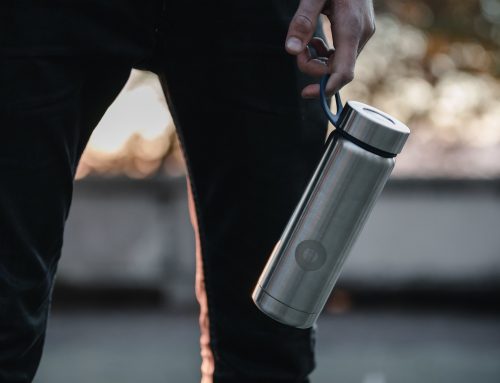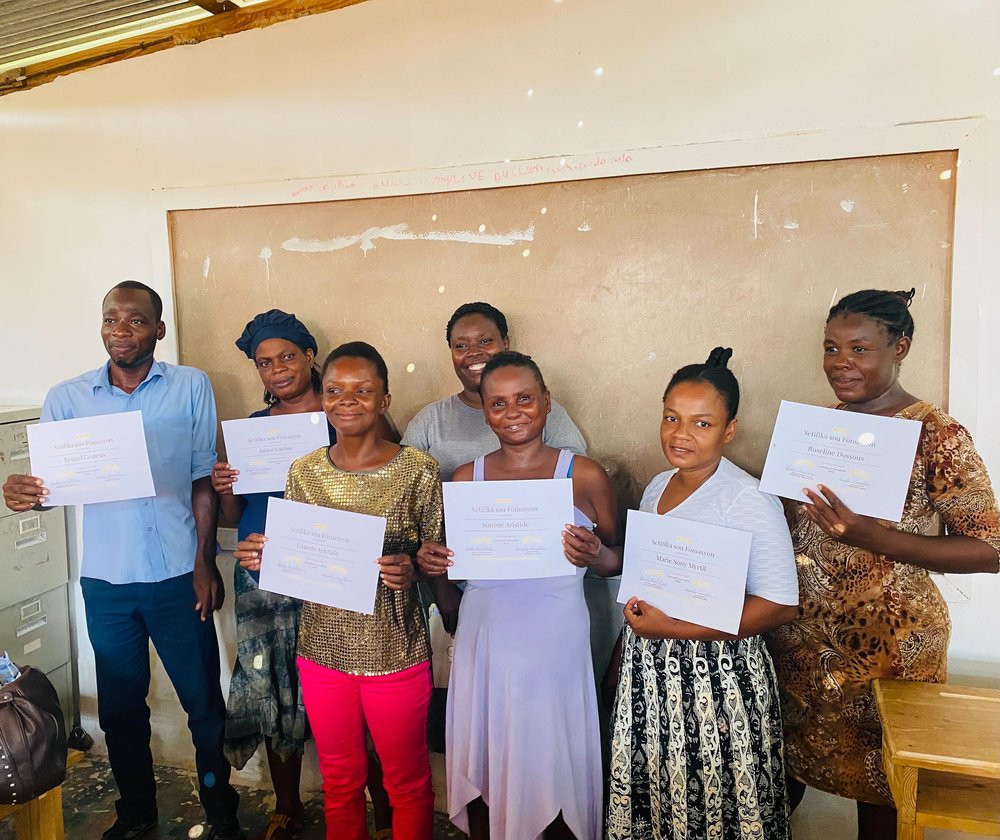
U.S. Bank partnered with First Mile (a division of WORK) on a program that brought jobs to Haiti and prevented hundreds of thousands of plastic bottles from reaching the ocean. Watch the video and learn how circularity can not only improve business but also improve livelihoods for workers in the first mile.
Third Partners co-founder and Principal, Adam Freedgood, is long-time board member at WORK (https://dowork.org), an organization working to end poverty in Haiti. The above video highlights a clever business partnership that the organization’s First Mile program facilitated. It’s a wonderful example of how businesses can both help the environment and confront difficult social responsibility challenges in one innovative idea.
It’s also a wonderful example of what circularity actually looks like in business and at scale.
What is circularity?
Circularity is a term that refers to the practice of maximizing resource efficiency and minimizing waste throughout the entire lifecycle of production and consumption, with a focus on sustainability and economic effectiveness.
Circularity is sometimes a hidden effort, which is frustrating for companies that want consumers to know about their work toward sustainability. Companies like Patagonia with its Worn Wear program and Unilever creating refillable product lines have done a good job of putting a spotlight on circularity. But even with marketable programs, it’s a struggle to get consumers to appreciate the complexity that goes into developing circular practices, let alone the human impact story that lies just beneath the surface.
How to maximize efforts in circularity
Nevertheless, investing in circularity initiatives that help the environment and people in need creates a powerful story.
The above video highlights the partnership between U.S. Bank and First Mile, and how their efforts transformed Haiti’s approach to plastic refuse and the jobs landscape. It was ambitious, and it was more than U.S. Bank needed to do if they only wanted to score points on their ESG reporting. But that’s the takeaway – U.S. Bank put real effort and resources into making sustainable impact on an environmental and social level.
Yes, a well-produced video is part of the magic here, but it’s far from the most important element of this partnership. When you watch and hear from all the people involved, you realize how many lives this partnership touches.
Vivien Luk, Executive Director of DoWork.org, encapsulates the importance of the work they did in Haiti.
“It’s not simply that the bank is using recycled material.
Their choice is using recycled material that has an impact on people.
[Plastic] collectors tell us that they didn’t think anybody in the world cared about them.
For them to know and feel that they are useful, that they can provide a service to the rest of the world doesn’t just put food on the table, it brings hope,” Luk says.
That’s a notion that resonates – how do we create real change? The U.S. Bank and First Mile partnership shows us how. By designing programs that put people first, and also create environmental impact.
What to watch out for
This particular partnership took care and planning to execute. Importantly, it took way more effort and coordination than just placing a purchase order for recycled material with a new supplier. The First Mile organization provided a high level of hands-on supply chain knowledge, oversight, and assurance to the brand. Executives at brands looking to replicate this model must understand that not all recycled materials are created equal. While demand for post-consumer recycled plastics continues to rise, so do the issues associated with unproven or untraceable sources.
- Materials recycled in developed countries with sophisticated waste management systems may not qualify as “ocean-bound” plastic. Definitions on beneficial sources of recycled materials exist, but they are poorly standardized and rarely enforced in today’s end-user markets.
- Suppliers may claim materials are recycled, charge a premium, and provide no proof. Ultimately, it is brand owners who pay the price. Mislabeled virgin materials may constitute deceptive marketing under the law if consumers, regulators, or watchdog organizations dig for details.
- Recycled materials are often collected by the world’s poorest workers, living and working in dangerous conditions with few human rights and fair labor protections. Without the assurances provided by hands-on, local sourcing organizations such as First Mile, brands can unintentionally source raw materials that may seem environmentally preferable but are in fact promoting illegal or unethical labor practices at various points along the supply chain.
- Even certified recycled materials may vary in quality, legitimacy, and unintended negative consequences. For example, few certifications require a traceable chain of custody along the entire supply chain. Even fewer consider the rights and wellbeing of workers in the first mile.
Is your brand looking to create impact through circularity?
Incorporating recycled materials into products is just one example of sustainable manufacturing practices in action. If your brand is interested in implementing circularity practices or developing a branded impact campaign, you may need help navigating the options to maximize impact and protect brand equity. Contact Third Partners for evidence-based, independent advisory.