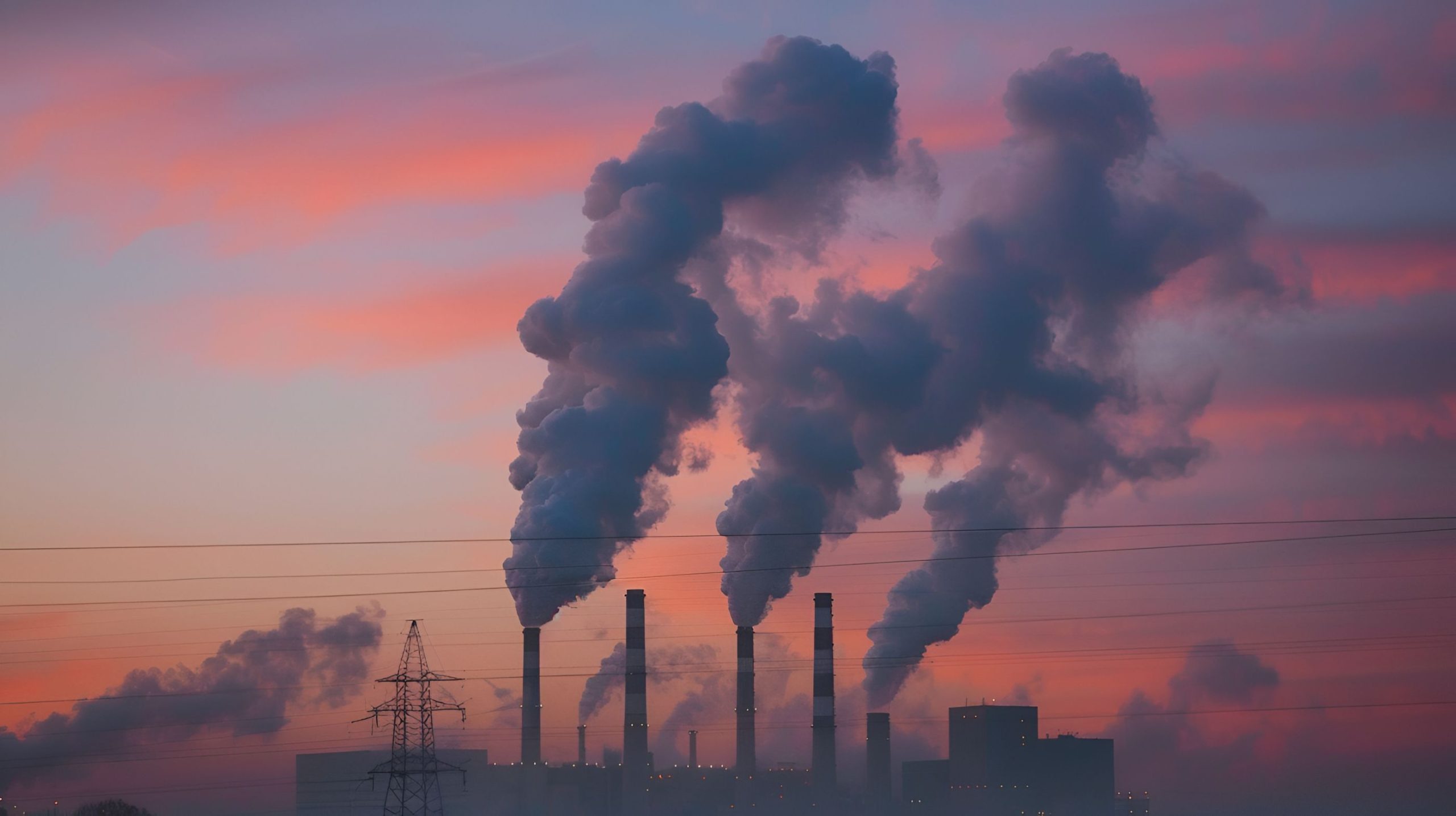
Recent federal deregulation claims to prioritize American businesses, but it’s introducing them to new legal, physical, and financial risks. Here’s what manufacturers should know about deregulation in 2026.
Jump to:
Federal Environmental Policy: What’s Different in 2026
Since President Nixon signed the National Environmental Policy Act (NEPA) and created the EPA in 1970, the U.S. has continued passing regulations to protect our water, air, and land. That trajectory stopped under President Trump.
During his second term, the Trump administration has:
- Overturned the CEQ’s NEPA regulations that since the 1970s have helped ensure federal construction projects take the environment into consideration
- Repealed the EPA’s 2009 “endangerment finding,” which declared that greenhouse gases threaten human health and gave the EPA the duty to limit them
- Placed a moratorium on federal approval of wind and solar energy production projects.
Despite The White House’s claim that these actions put American businesses first while preserving “clean air, water, and land for all Americans,” they’re really fueling environmental disasters, putting human health at risk, and exposing manufacturers to significant legal and financial risk
6 Ways Deregulation Impacts Sustainable Manufacturing
While federal deregulation has reduced some administrative hurdles, it has simultaneously heightened physical and reputational risks for manufacturers.
Here’s how federal deregulation negatively impacts manufacturers:
- It Increases the Risk of Lawsuits
The rollback of the EPA’s endangerment finding exposes manufacturers to state, local, and civil litigation risk. Previously, federal law superseded GHG pollution-related challenges brought by states or citizens. Without those regulations, parties may be able to bring nuisance claims that would’ve previously been dismissed if the polluter was operating within federal limits. This could affect auto manufacturers, power plant operators, and any major stationary source of emissions. - It Shifts the Burden of Proof Onto Manufacturers
Deregulation doesn’t eliminate sustainability expectations; it just shifts them from legal compliance to customer and stakeholder demands. Many buyers and investors now require manufacturers to set Science-Based Targets for greenhouse gas emissions and prove that EH&S practices are integrated with sustainability management systems—often through onerous surveys like EcoVadis. - It Complicates Manufacturing Construction Decisions and Costs
Uncertainty is always expensive for business, especially for long-term capital decisions.If a manufacturer considers building a new facility, they have to decide whether to:- Design for more stringent pre-rollback emissions standards—incurring higher technology and design costs but reducing long-term environmental impact and regulatory risk; or
- Design for current deregulated standards—lowering initial costs but increasing risk of customer backlash, litigation, and future compliance costs if/when regulation returns to pre-Trump standards.
It ends up being a gamble with the health of people and the environment.
- It Could Box U.S. Players from International Supply Chains & Markets
Deregulation favoring fossil fuels assumes cheap gas—which is simply not the case. Fossil fuels are far more volatile and expensive than renewables, while solar and wind are faster to build and provide the lowest-cost electricity.As policies like Europe’s Carbon Border Adjustment Mechanisms reward goods made with clean energy and penalize dirty energy grids, U.S. interference in large-scale solar and wind development slows grid expansion and makes it harder for manufacturers to secure stable power purchase agreements—the key to keeping energy-intensive product prices low.While the rest of the world surges ahead with renewable energy development, these policies risk hamstringing American manufacturers in the global low-carbon goods market. - It Raises Physical Climate Risk Exposure
Physics does not negotiate with executive orders. The increasing frequency of billion-dollar climate disasters is fueling a disaster industrial complex. While disaster spending contributes to GDP, it does so at the peril of discretionary income—diverting capital from future growth. We’re effectively stuck rebuilding the past instead of imagining the future.Insurance markets are already pricing in climate risk, driving higher premiums and forcing resilience planning regardless of EPA policy. - It Creates State-by-State Fragmentation
Without clear federal emissions standards, manufacturers must navigate a patchwork of state-by-state laws and regulations. This fragmentation makes it harder to streamline operations, increases administrative burden, and complicates compliance when some states—like California—have stricter standards than others.
What Will 2026 Look Like for Manufacturers?
The direct impact on manufacturers is a mixed picture. The long-term outlook remains uncertain, but early indicators suggest increased volatility and market risks for many U.S. manufacturers.
We’ve lost 70,000 manufacturing jobs over the past year, a loss compounded by the negative impact of tariffs. For example, while one U.S. steel plant hired 400 workers, 500 miles away, a tool manufacturer is struggling to grow at all because tariffs are driving up raw material prices and suppressing export business.
Deregulation of pollution and hyping of tech- and AI-driven stock market gains fails to address what consumers are most concerned about: wages, affordability, jobs, home ownership, and other acutely felt economic concerns. Meanwhile, manufacturers are left scrambling to keep up with disaster recovery costs, shifting expectations, and sustainability decision-making.
Third Partners Supports Manufacturers Through Deregulation & Political Uncertainty
Third Partners provides specialized sustainability consulting for manufacturers that turns these pressures into competitive advantages.
We help manufacturers:
- Identify “blind spot” risks that federal agencies no longer monitor
- Evaluate their ESG performance and growth opportunities
- Develop strategic compliance strategies to futureproof their business and increase value
- Strengthen supply chain resilience amid volatile trade policies
- Navigate the EcoVadis submission process and other sustainability rating systems
- Integrate waste reduction and circular design into core operations
- Meet evolving customer and investor expectations
We’re ready to help. Book a free consultation to get started.