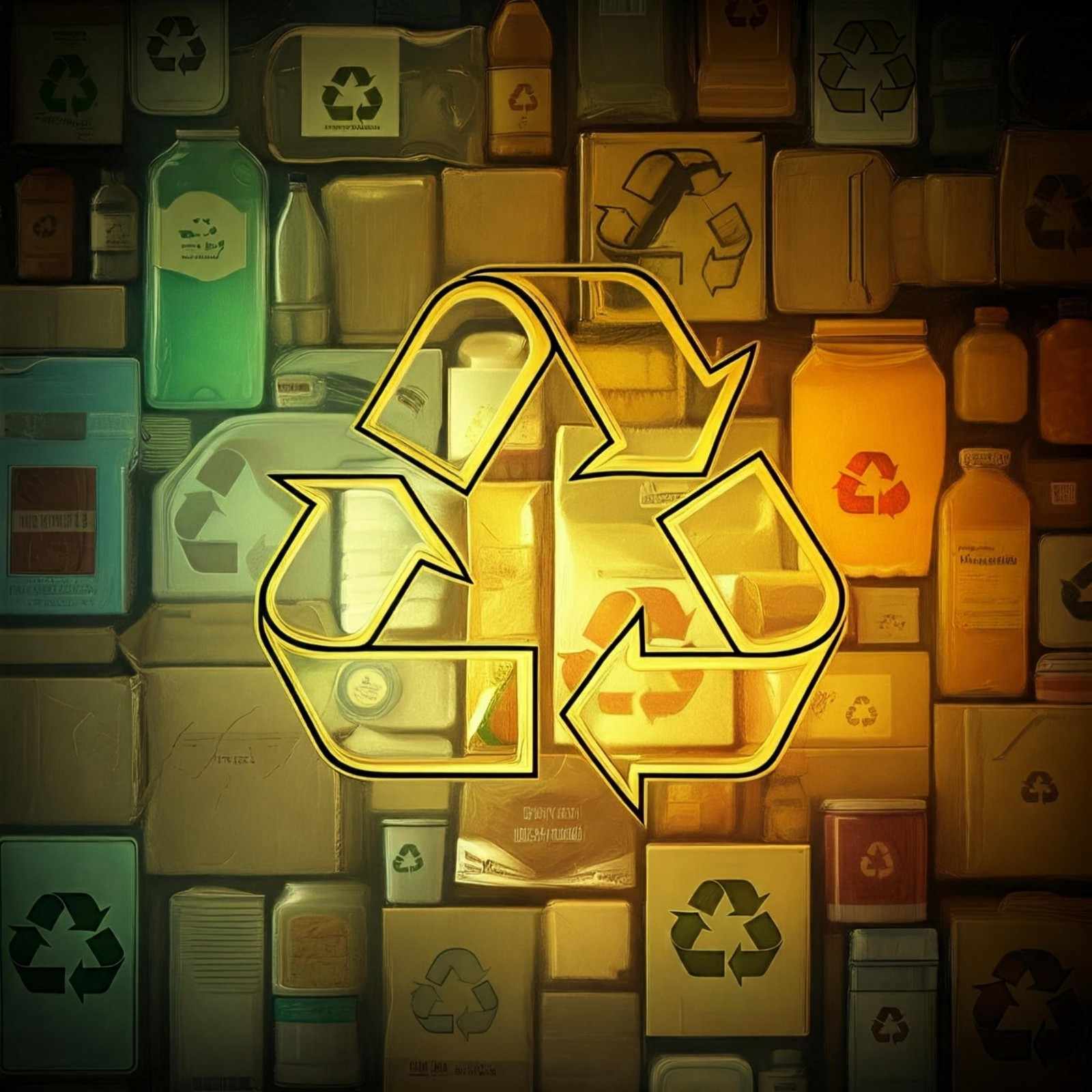
How2Recycle, the creator and distributor of the ubiquitous 3 chasing arrows recycling icon, recently shared plans to update the design after receiving pushback on the accuracy of the label. So far, reactions to the proposed revisions are fairly negative, with some environmental groups and regulatory agencies arguing that modified iconography alone will struggle to achieve the intended impact on recycling efforts or prevent greenwashing.
This article explains the primary drivers behind the redesign and how a clearer, stricter label will impact design and manufacturing operations for companies in the packaged goods industry. Learn how product innovation can ensure recyclability and accurate packaging claims.
What Prompted the Label Overhaul?
Once synonymous with sustainability, the iconic recycling label has come under scrutiny in recent years for misleading consumers about the true recyclability of certain products and complex packaging materials.
Accidental Contamination
Misrepresentation can lead to “wishcycling,” when consumers naively contaminate recyclables with non-recyclables, creating waste and inefficiencies at recycling facilities.
Inaccurate Representation
To critics, the logo falsely implies a higher rate of recycling than what truly happens in real-world application. Plastic grocery bags, for example, often display the recycling icon, but are rarely recycled by consumers, and most attempts fail due to improper categorization.
State & Federal Compliance
New regulations aim to protect consumers from misinformation and prevent “wishcycling” by enforcing tighter requirements for recyclability claims.
Here are two prominent examples:
- FTC Green Guides Update
Within months, the FTC will release an updated version of the Green Guides featuring stricter guidelines on how brands can make legitimate environmental marketing claims, with a specific section on proper use of the recycling label. Unsubstantiated use of the label will expose companies to increased penalties and litigation risks. - California’s “Truth in Labeling” Law
SB 343 prohibits use of the “recyclable” chasing arrows on products and packaging unless the items are regularly collected and actually processed by recycling facilities with a viable end market.
What Are the Proposed Changes?
Proposed changes to the labels will involve:
- Improved Accuracy: Updates aim to reflect the true recyclability of packaging per current recycling capabilities and infrastructure.
- Stricter Parameters: Products that are not widely accepted by recyclers will be tasked with removing the label from consumer packaging.
- Specific Instructions: Clearer guidance will educate consumers on the specifics for how to properly recycle or dispose of product and packaging materials.
How Can Businesses Adapt?
While significant changes to the recycling labels can present challenges in terms of cost and compliance burdens, they also present an opportunity to demonstrate your organization’s commitment to sustainability.
Consider these strategies to meet growing consumer demand for sustainable products and improve the recyclability of your products and services:
- Reduce unnecessary plastic and packaging.
Identify all materials and components used in products and packaging to inform supply chain strategy with an emphasis on first reducing plastic content in products and then sourcing sustainable, recyclable materials. - Educate leadership on the Green Guides Update.
Carefully scrutinize all product marketing claims related to product lifecycle and recyclability. - Design for circularity.
Innovate product lines and services by evaluating alternative materials, designing for longevity, and improving recyclability.
How Third Partners Can Help
Our team can help you develop products and services that are aligned with your sustainability goals and build trust with consumers through data-driven product claims. Third Partners works with companies to develop intentional action plans within the business, supply chain, and retail ecosystem.
Third Partners supports product claim goals through:
- Environmental Claims Validation
- Responsible Sourcing Strategy
- Policy Implementation
- Supply Chain Mapping
- Product & Service ESG Alignment
Contact us today for a free consultation and discover how we can support your company’s approach to impact reduction & innovation.