The Science Based Targets initiative (SBTi), a leading authority on corporate climate action & ambition, recently proposed significant changes to its framework for corporate net-zero targets (read their 132-page draft overhaul here). Changes to this guidance will create a ripple effect in how companies approach & report on long-term net-zero goals. But more significantly, shifting sentiment on corporate climate ambition creates a white space opportunity for insurgent brands to lead on environmental impact and tell a better story.
Potential Guidance Changes – Highlights from the Proposal
- All large companies are required to set Scope 3 targets, but have some additional flexibility to focus on “relevant” categories
- Tighter rules around supplier engagement net-zero targets require using “direct influence” with tier one suppliers
- SBTi’s proposal gives corporates greater flexibility when it comes to Scope 3
- Indirect mitigation is back on the table – insetting, not to be confused with offsetting
The Real Opportunity
SBTi provides a standard for companies looking to set credible emissions reduction targets. The elephant in the room is that carbon goal setting typically involves an arduous process consisting of collecting data that has minimal core business value; following highly engineered and often opaque accounting rules to set a Scope 3 baseline; and box-checking your way to a more-or-less indefensible net-zero goal.
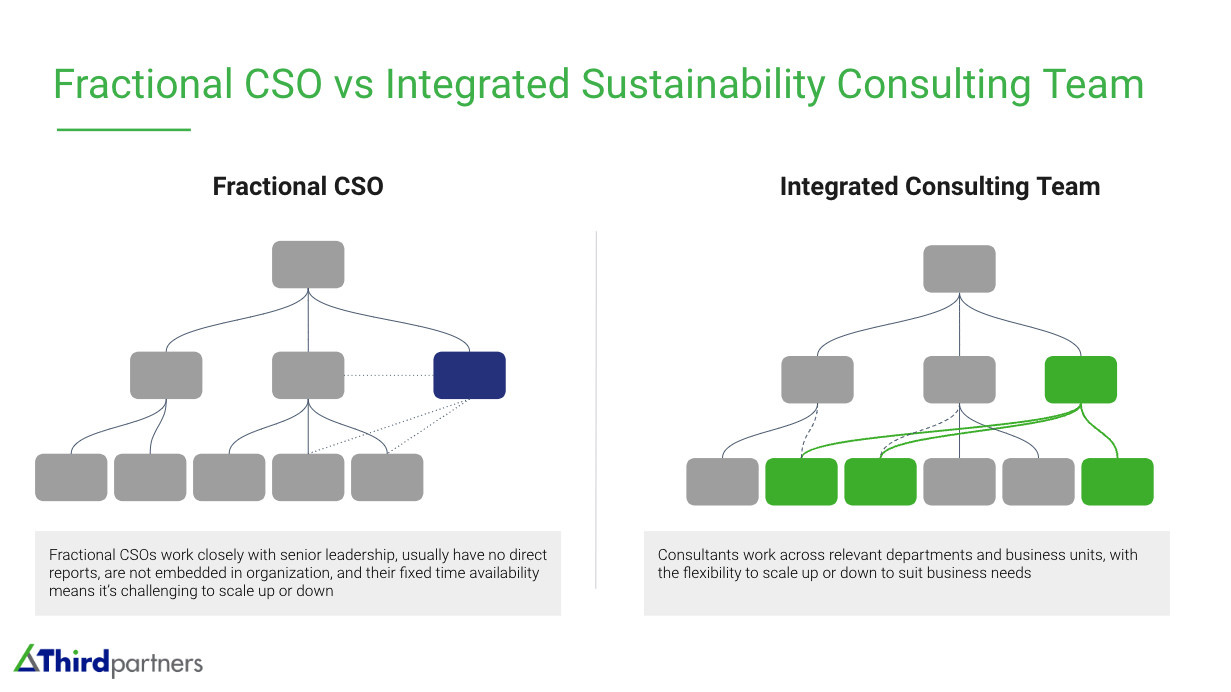
How much business value & actual impact does this, somewhat performative, process produce? The answer is some, if completed with strategic intent & with an efficient, matrixed team. But there’s more value elsewhere.
Changes to standards around climate ambition translate into an opportunity to redefine what “credibility” means for corporate decarbonization. We see cracks in the foundations of deeply held but often unquestioned assumptions around corporate responsibility and the role of the private sector. Insurgent brands can lead on climate and gain market share through brand authenticity and candor (a la Patagonia or Ben & Jerry’s), transparency on environmental tradeoffs & the business bottom line (a la Stonyfield), and impact programs that actually make a difference to the communities & ecosystems where stakeholders work & live (see Third Partner’s collaboration on Paramount’s Operation Sea Change).
Where to go from here
There is a better option than towing the company line on climate ambition if:
- Your brand revolves around an environmentally preferable product or service innovation
- You have cultivated a sense of trust with your customers/clients, and they value authenticity over performative compliance
- And/or your executive leadership challenges teams to “think differently” and is able to walk the talk with an above average risk tolerance
If this resonates with you, schedule a free consultation to discuss brand-forward sustainability strategy. Otherwise learn more about our advisory offerings on carbon accounting, compliance, and reporting.