Roadmap 2.0 builds upon the progress and lessons learned from its predecessor, Roadmap to 2025 – an ambitious plan designed to promote circularity and target plastic packaging waste at the source.
In this guide, we outline the key focus areas of Roadmap 2.0 and share how brands and manufacturers can support the initiative. Consider these strategies to improve circularity within your organization.
Before Roadmap 2.0, there was Roadmap to 2025
The U.S. Plastics Pact, an association led by The Recycling Partnership and World Wildlife Fund, developed the Roadmap to 2025 as a strategic guide for national stakeholders to achieve a more circular economy for plastics.
Announced in 2021, the plan aimed to reach four primary targets by the year 2025:
- 100% of plastic packaging materials will be compostable, reusable, or recyclable
- 50% of existing plastic packaging will be recycled or composted
- Plastic packaging will use an average of 30% recycled, bio-based, or responsibly-sourced content
- Identify, and then eliminate, problematic or unnecessary packaging.
Has the Roadmap to 2025 Accomplished its Goals?
With the support of major corporations like The Clorox Company, Walmart and Nestlé, as well as universities, startups and local governments, the original Roadmap followed detailed timeframes and reporting requirements to incite widespread change.
As of June 2024, the U.S. Plastics Pact reported notable progress towards plastics circularity:
- Use of problematic or unnecessary plastics → 6% Reduction
- Recyclability of plastic packaging → 10% Increase
- Post-consumer recycled/biobased content → 2.4% Increase
What is Roadmap 2.0?
Roadmap 2.0 represents the second phase of the U.S. Plastics Pact’s strategic plan to improve plastic circularity on a national scale. Released in June of 2024, the revision offers practical steps for companies to reevaluate and transform how they design, source, and manufacture plastic packaging.
5 Key Focus Areas of Roadmap 2.0
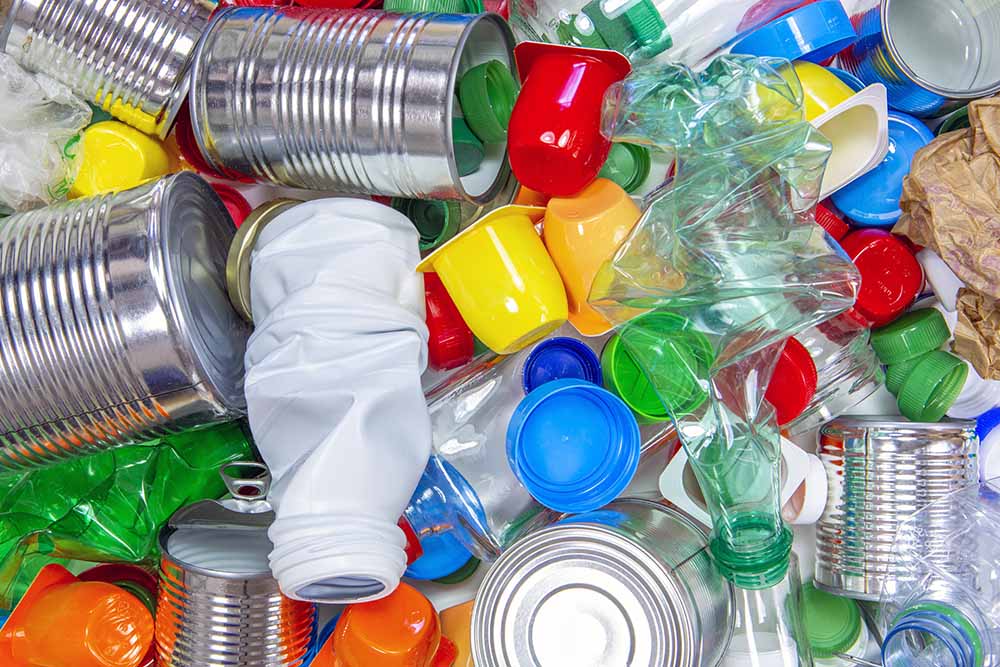
Roadmap 2.0 carries forward the unfinished targets from the original plan, and introduces new objectives based on the collective experience of U.S. Plastic Pact Activators.
Aiming to eliminate plastic packaging waste and transition towards a more circular economy, the strategic plan includes 5 key focus areas:
- Reuse Innovations
Introducing reuse as a primary target emphasizes the importance of minimizing waste caused by single-use plastics. A single concert venue or Olympic Village, for instance, can establish returnable cup systems to drastically reduce the use of disposable plasticware. - Design for Circularity
Design and manufacture ALL plastic packaging to be reusable, recyclable, or compostable. - Elimination of Problematic Plastics
By 2030, reduce the use of virgin plastics by 30% and eliminate every item on the expanded Problematic & Unnecessary Materials List, which includes:-
-
- Cutlery, stirrers & straws
- Non-detectable and opaque pigments
- Problematic labels that interfere with recyclability
- Oxo-degradable additives
- Intentionally added PFAS
- Polyethylene Terephthalate Glycol (PETG), Polystyrene (PS) & Polyvinyl Chloride (PVC)
-
-
- Effective Recycling
Establish infrastructure that can effectively recycle 50% of all plastic packaging at scale, and increase post-consumer recycled and/or responsibly sourced biobased materials to an average of 30%. - Health and Community Impact
Identify how the utilization and production of plastic impacts local communities and ecosystems to determine a course of action that addresses social disparities and public health implications.
How Can Third Partners Help Your Company Align with Roadmap 2.0?
We provide advisory services to help clients develop and implement strategic measures that improve plastic circularity within their organizations. These strategies often include a recommendation to:
- Emphasize Product & Packaging Innovation
Sustainable product and service innovations focus on the creation of new or improved offerings that prioritize environmental sustainability throughout their entire lifecycle. - Conduct a Thorough Audit Map
Identify each plastic material and component being used in current products, with special attention towards those on the Problematic & Unnecessary Materials List. Engage with suppliers to clarify plastic usage and explore potential eco-friendly alternatives to improve reusability and reduce waste. - Scrutinize Marketing Claims on Primary Packaging
Validate accuracy of product claims displayed on primary packaging, especially any references to recyclability, presence of plastics, or environmental footprint. This protects your brand from the negative consequences of greenwashing and ensures compliance with the 2024 FTC Green Guide Update which advises how to legitimately make environmental claims on, and about, consumer products. - Assess Environmental Impact
We recommend that retailers, licensees, and IP holders assess the environmental impact of their entire product portfolio against the Roadmap 2.0 framework, as well as other forces like Extended Producer Responsibility (EPR) laws or California’s Plastic Pollution Law, when applicable. - Analyze the “Circularity” of Business Opportunities
Financial modeling and analysis of material input/output flows clarify and contextualize business opportunities from the concept of “circularity”.
In Conclusion
Roadmap 2.0 provides actionable strategies that brands and manufacturers can embrace to reduce the environmental impact of plastic production and waste. The team at Third Partners helps clients explore sustainable innovations by providing customized action plans to strengthen your business and operationalize your commitment to sustainability. Contact us for a free consultation to learn more.