The U.S. Environmental Protection Agency (EPA) recently announced it would use funding from the Inflation Reduction Act (IRA) to create the “Buy Clean” initiative, a new label program to boost clean American manufacturing. The program will help federal purchasers of construction and building materials buy more climate-friendly products, ultimately reducing industrial emissions while supporting union jobs and strengthening the manufacturing sector as a whole.
The Buy-Clean initiative will undoubtedly support innovations in how we produce materials like glass, steel and concrete, and will likely lead to the development of new products altogether. This is a big shake-up to the manufacturing industry that requires adaptation. Here what manufacturers need to know about Buy-Clean, and how they can use this change to gain a competitive edge in the market.
The Path Toward a “Buy-Clean” Label: Phases of Implementation
Phase 1: Data Quality Improvement
In July, 38 organizations received funding to develop Environmental Product Declarations (EPDs), which serve as a key step in the establishment of the EPA’s Buy-Clean program. These EPDs provide transparent data about the environmental impacts of construction materials, enabling manufacturers to demonstrate their commitment to sustainability. If manufacturers want the Buy-Clean label added to a specific product, they will first need to to develop an EPD for that product.
To develop the EPD, Manufacturers will need to collect high-quality data to assess the environmental impact of their products. This includes performing Life Cycle Assessments (LCAs) to measure the environmental footprint of materials throughout their lifecycle, from raw material extraction to disposal.
Phase 2: Threshold Setting
In this phase, standards and benchmarks will be set to determine the levels of embodied carbon that construction materials should aim to meet in order to qualify for the “Buy-Clean” label. This process will help establish a baseline for low-carbon materials.
Phase 3: Labeling Materials and Products
Once data collection and threshold setting are in place, manufacturers can apply for the “Buy-Clean” label, signifying that their products meet federal sustainability standards. This label will make it easier for builders and contractors to identify eco-friendly materials, driving demand for low-carbon options.
Opportunities for U.S. Construction Manufacturers
The “Buy-Clean” label presents a significant opportunity for U.S. construction product manufacturers. By aligning with federal standards and qualifying for this label, manufacturers can gain a competitive advantage, as federal agencies will give preference to materials that meet these sustainability criteria. This preference could increase demand for low-carbon materials in both public and private sector projects, positioning American-made products at the forefront of sustainable construction.
But be proactive to capitalize on Buy-Clean Opportunities
To benefit from this initiative, manufacturers must take proactive steps. As mentioned above, one of the key requirements is the development of Environmental Product Declarations (EPDs), which provide a comprehensive overview of a product’s environmental impact. To produce an EPD, manufacturers will need to conduct Life Cycle Assessments (LCAs), which analyze the energy use, emissions, and resource depletion associated with each stage of a product’s life.
Challenges in Data Collection and LCA Implementation
While the “Buy-Clean” initiative offers tremendous opportunities, there are challenges that manufacturers may face in complying with the new standards. One of the primary hurdles is data collection. Gathering high-quality, accurate data about the environmental impacts of construction materials requires manufacturers to assess not only their own processes, but also the environmental performance of their entire supply chain.
In addition, the LCA process can be complex and resource-intensive. For many manufacturers, performing detailed assessments of the life cycle impacts of their products may require expertise and tools they don’t currently possess. This can make it difficult to generate the comprehensive data needed for an EPD.
Steps Toward EPD Qualification and Sustainable Manufacturing
To navigate these challenges and qualify for the “Buy-Clean” label, manufacturers need to take a strategic approach. Here are a few key steps to consider:
Review EPD Criteria and Guidelines
Manufacturers should familiarize themselves with the EPA’s criteria for EPDs and the specific thresholds for embodied carbon in construction materials. Understanding these guidelines will help you identify where your products stand and what improvements are necessary.
Engage in Data Collection and LCA Process
Start by assessing the current environmental impact of your products and processes. This may involve collecting data from suppliers and engaging in a comprehensive LCA to measure factors like energy use, greenhouse gas emissions, and material efficiency.
Consult with Experts
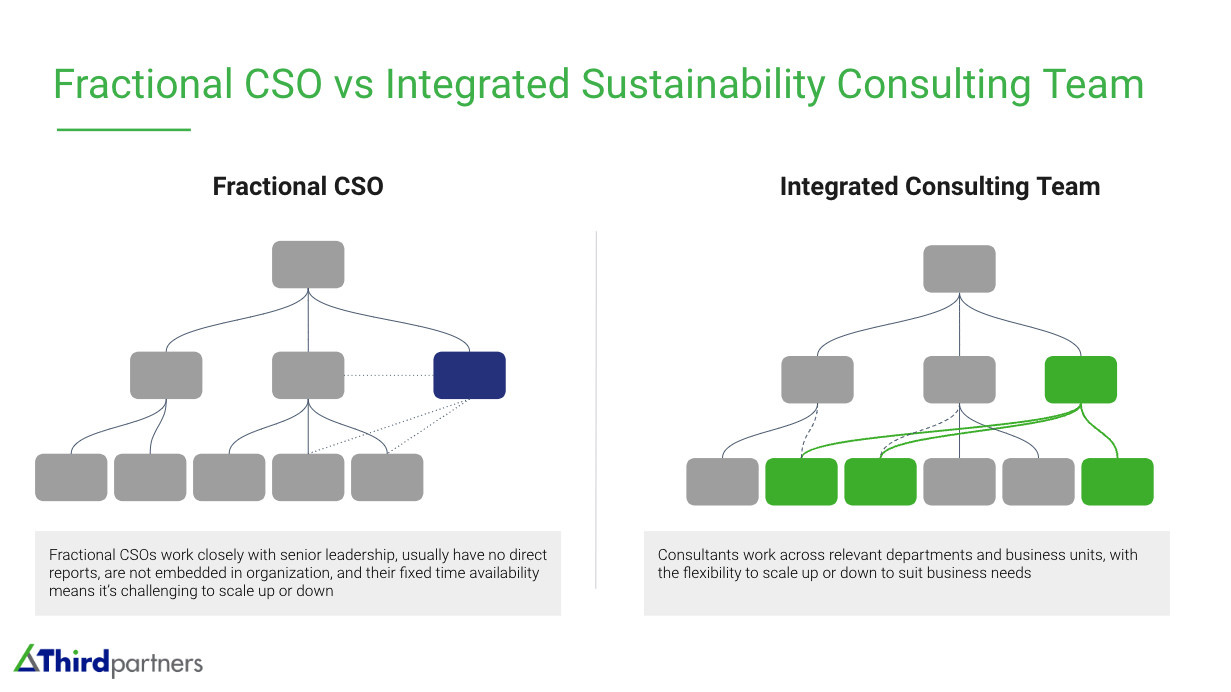
Manufacturers may benefit from partnering with third-party consultants who specialize in sustainable manufacturing and LCA. These experts can help facilitate the data collection process, ensure compliance with federal guidelines, and identify opportunities to reduce the environmental impact of your products. Contact Third Partners if you need an expert in sustainable manufacturing and sustainability consulting.
Explore Ways to Reduce Embodied Carbon
Once data has been collected, manufacturers should focus on reducing embodied carbon “hotspots” in their products. This could include optimizing resource use, improving production processes, sourcing renewable electricity, or substituting biobased materials.
Future Implications for Sustainable Manufacturing
As the demand for sustainable materials continues to grow, manufacturers that embrace circularity and environmentally friendly practices will be well-positioned for long-term success. The “Buy-Clean” label is just the beginning of a broader movement toward reducing the environmental impact of construction, and companies that act now will benefit from federal preferences and increased market demand for low-carbon products.
For manufacturers interested in taking advantage of the “Buy-Clean” initiative, understanding and engaging in the LCA and EPD processes is essential. Not only will this allow you to qualify for the label, but it will also demonstrate your commitment to sustainability—an increasingly important factor for both consumers and business partners.If you’re interested in learning more about the Buy-Clean initiative and how Third Partners can help your business take advantage of this change, contact us for a free consultation.