What Are PFAS?
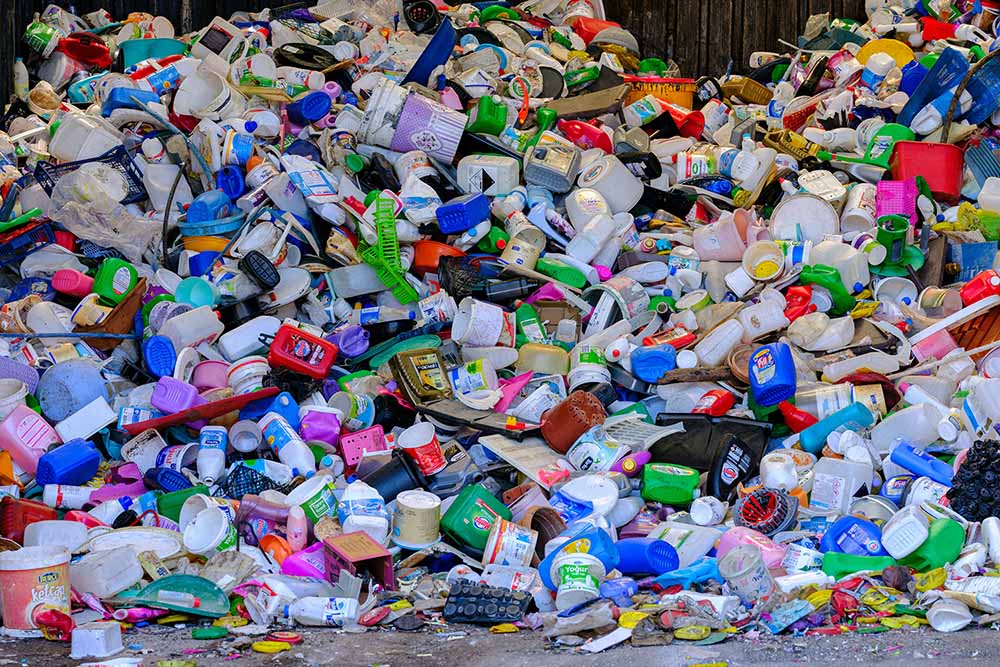
Per- and polyfluoroalkyl substances (PFAS) are a large group of lab-made chemicals characterized by extreme durability and resilience. Many everyday consumer products rely on PFAS to resist grease, water, heat, and oil. Common examples include non-stick cookware, food packaging, stain-proof fabrics, and household cleaners.

Source: RiversideCA.gov
Why Do We Need to Regulate PFAS?
Consistent exposure to PFAS negatively affects human health. Scientific studies have demonstrated a connection between elevated PFAS levels and a higher risk of some cancers. Exposure to PFAS also interferes with the body's natural ability to fight infection, regulate hormones, and maintain a healthy body weight.
Often referred to as "forever chemicals", the molecular structure of PFAS can persist in the environment for hundreds or thousands of years before breaking down. As such, the widespread production and use of PFAS damages local ecosystems and leads to long-term contamination in our soil, air, and water.
Recent Federal Legislation Impacts the PFAS Manufacturing Sector
In 2024, the Environmental Protection Agency (EPA) issued multiple updates related to PFAS and sustainable manufacturing. With a stated goal to "protect American communities", the new statutes include:
- "Hazardous substance" classification for PFOA and PFOS
Perfluorooctanoic acid (PFOA) and perfluorooctane sulfonate (PFOS) are the two most common PFAS. Under the Comprehensive Environmental Response, Compensation, and Liability Act (CERCLA or Superfund), a "hazardous" classification subjects these chemicals to increased scrutiny and accountability measures. As such, PFOA/PFOS manufacturers, importers and processors can be held liable for cleanup response and recovery costs. - National drinking water standards
For the first time ever, all 50 states are subject to legal enforcement of Maximum Contaminant Levels in drinking water for six PFAS. To support this endeavor, the EPA designated $1 Billion of funding for state-level implementation of PFAS testing and treatment initiatives. - Disposal requirements for PFAS and PFAS-containing materials
Updated guidelines outline which techniques and treatments are considered suitable for the disposal and destruction of PFAS and PFAS-containing materials from non-consumer products. The recommendations focus on emergent technologies associated with thermal treatments or underground injection, for example. - Limits on PFAS-Manufacturing
Backed by the National Defense Authorization Act (NDAA), the EPA added seven more PFAS to the Toxic Release Inventory (TRI) list of reportable chemicals.
Companies are now restricted from beginning, or continuing, the manufacture of 329 individual PFAS.
How Should Companies Prepare for New PFAS Regulations?
Multiple departments must work together to ensure alignment with any new or updated PFAS regulations. We recommend the following strategies:
- Supply Chain
- Conduct a Thorough PFAS Audit Map out all materials and components used in products, identifying those containing PFAS. Engage with suppliers to understand their PFAS usage and request compliance certifications.
- Seek PFAS-Free Alternatives Collaborate with suppliers to identify and source materials and components that are free of PFAS. Be prepared for potential cost increases and supply chain disruptions during this transition.
- Compliance
- Stay Up-to-Date on State & Federal Regulations
Monitor both federal and state-level PFAS regulations closely. New rules are frequently emerging, and compliance deadlines can vary. Consider subscribing to relevant legal and environmental newsletters for updates. SaferStates.org provides state-specific trackers for legislation related to toxic chemicals, and PFAS. - Develop a PFAS Management Plan
Establish a formal plan outlining steps for PFAS reduction, compliance with regulations, and response to potential legal issues. This plan should be regularly reviewed and updated as regulations evolve.
- Stay Up-to-Date on State & Federal Regulations
- Marketing
- Review Product Claims
Scrutinize any product marketing claims related to product safety or environmental impact. Ensure that claims are accurate and do not mislead consumers about the presence of PFAS in products.
By the end of 2024, the FTC will release an updated version of the Green Guides outlining tighter guidelines on how brands can make legitimate environmental marketing claims about their products. - Prepare for Transparency
Be ready to communicate openly and proactively about PFAS. This satisfies regulators, and builds trust with consumers.
- Review Product Claims
- Operations
- Assess Potential Contamination
Evaluate potential PFAS contamination in manufacturing facilities and surrounding areas. This may involve soil and water testing to identify and remediate any pollution. - Educate Staff
Engage with employees on the risks associated with PFAS, proper handling procedures, and emergency response protocols in the event of an accidental release. - Identify PFAS-Containing Waste Streams
Determine which waste streams generated during manufacturing contain PFAS. This will help identify specific disposal challenges and potential liabilities. - Explore Treatment Options
Research and evaluate available treatment technologies for PFAS-containing waste. Collaborate with waste management partners to ensure proper handling and disposal in compliance with regulations.
- Assess Potential Contamination
In Conclusion
PFAS compliance will continue to evolve and expand in coming years, necessitating proactive, adaptive engagement from manufacturers. The team at Third Partners helps clients navigate the complexities of PFAS regulations and provides actionable guidance to strengthen your business and operationalize your commitment to sustainability. Contact us for a free consultation to learn more.